
Tastes Like Home: A Visit to Tatchan Noodle
By the Sprouts Educators
I still remember how I felt when I had my first bowl of miso soup after moving to Canada from Japan. I had moved to this country by myself; there was no one I knew here at the time. After I unpacked my two suitcases—which were all the belongings I brought with me—I went to a Japanese grocery store and bought a pack of miso and tofu. I cooked the soup in the quiet, dim kitchen of the Airbnb where I was staying. When I took my first sip, all my anxiety and loneliness melted away. I felt comforted and relieved. I thought to myself, “I will be okay in this country as long as I can taste this.”
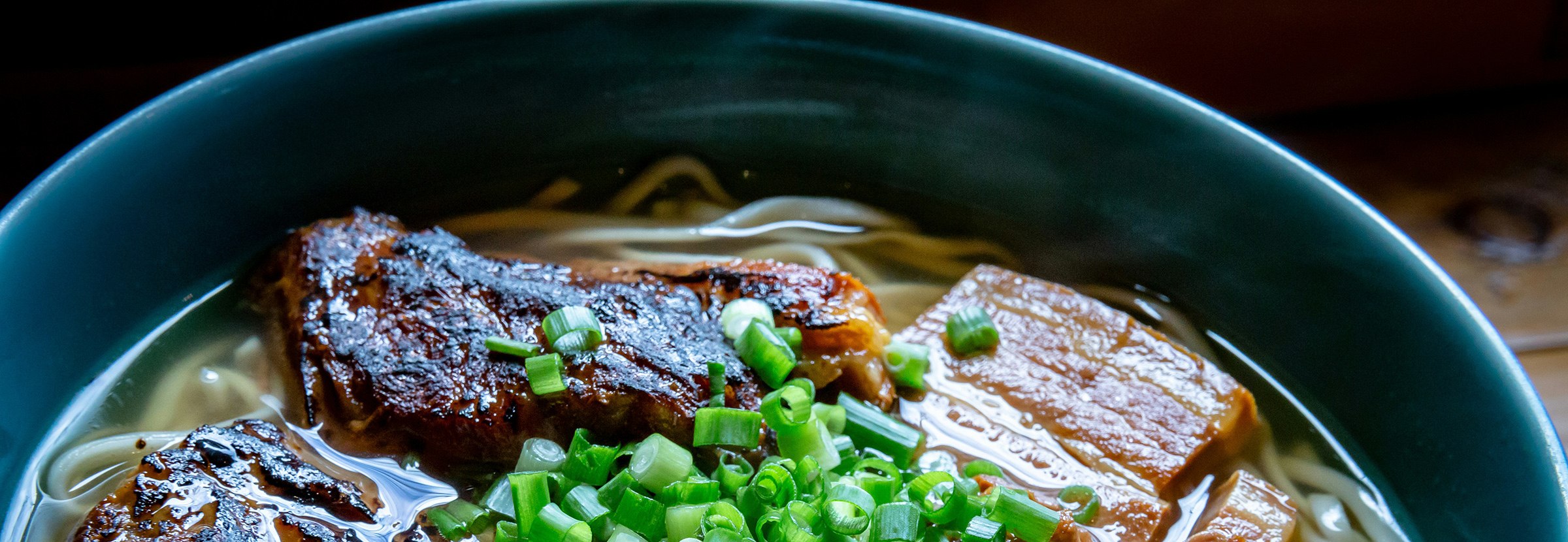
In Vancouver, there are many restaurants where immigrants provide their traditional foods from their heritage. Tatchan Noodle, a restaurant owned by Omito’s family, is one of them. They opened their doors around the same time the school year began. Tatsuya, Omito’s dad, is from one of the islands in Okinawa, which is in the southernmost part of Japan. It is the only restaurant that serves traditional Okinawan noodles in Vancouver.
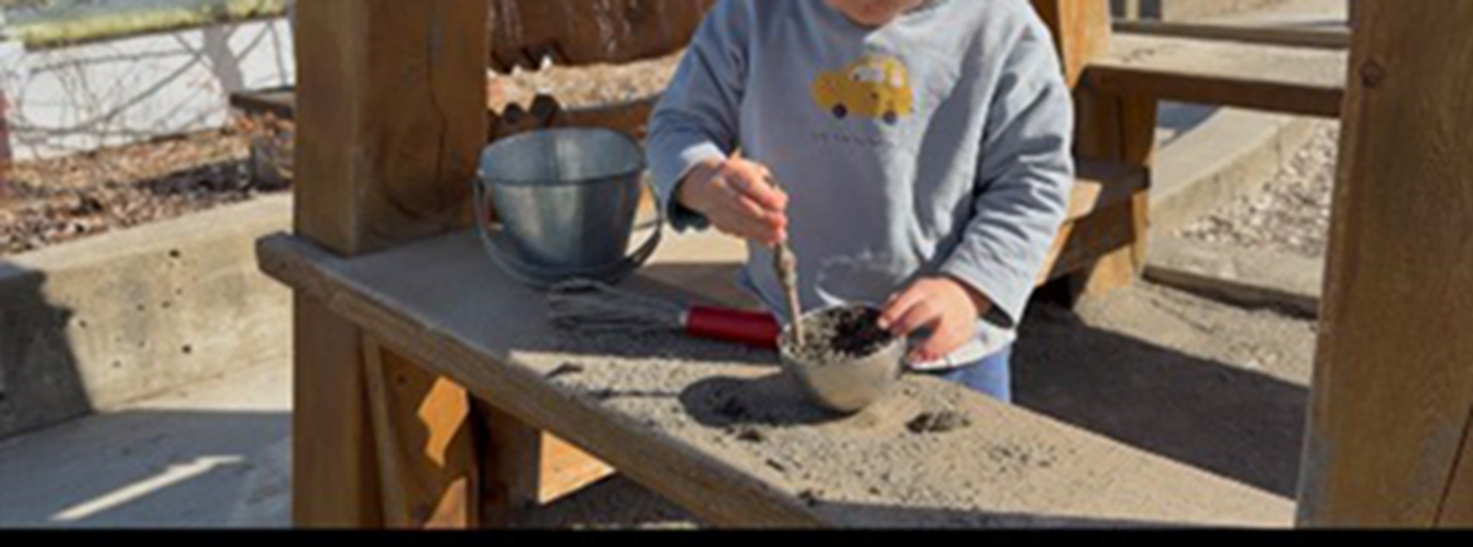
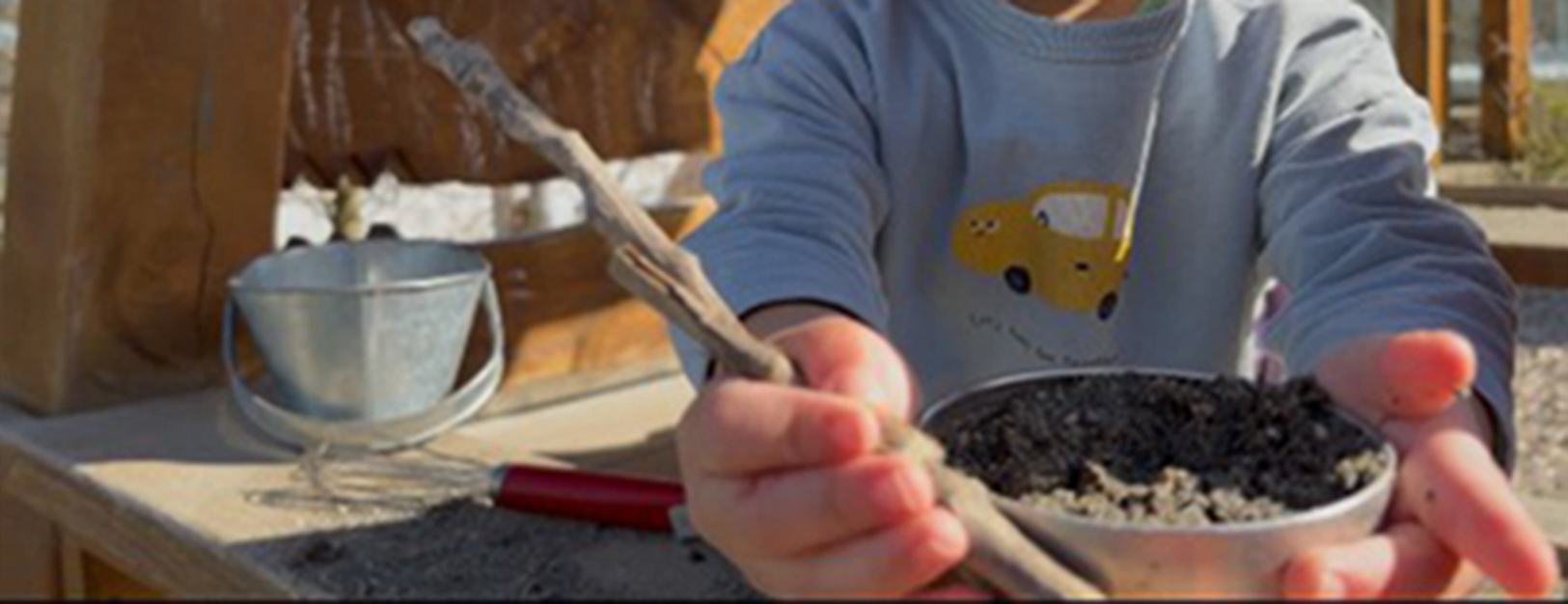
It didn’t take long for Omito and Lumi to begin dramatic play in the Casa kitchen, shouting, “Tatchan Noodle!”
One day, Omito was pretending to be a restaurant staff member.
Omito: Omatase-itashimashita! (which means “Thank you for waiting” in Japanese).
He then placed a bowl in front of Lumi, who was waiting at the table.
He continued to play the role of a Tatchan Noodle staff member, and the "restaurant" expanded into our outdoor sand area. Other children, who had never even visited the actual restaurant, began saying “Tatchan Noodle.” We shared this with Ami, Omito’s mom, how the Sprouts children were making and eating Tatchan Noodle. In response, she invited our group to Tatchan Noodle so everyone could also experience and taste the real Tatchan Noodle.
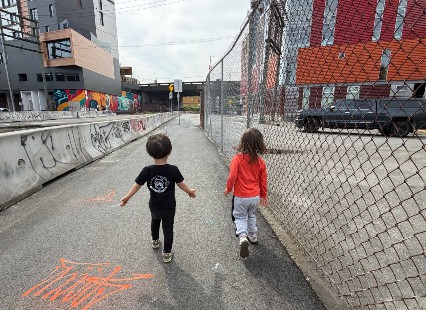
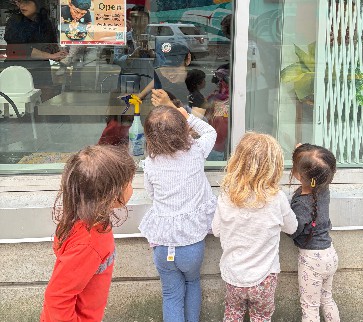
On April 30th, we headed to Tatchan Noodle by bus. After a short walk from the stop, we saw Ami waiting for us in front of the restaurant. Omito ran to his mom and then led us inside. First, Omito went towards the kitchen, knowing well who would be there - Tatsuya, preparing the bowls of noodle for us. Omito then led us into the dining area. We washed our hands and took our seats. While waiting for the food, Omito proudly pointed at a screen showing a video of the ocean and white sand.
Omito: “Okinawa! Okinawa!”
When Tatsuya and Ami brought the noodles and onigiri (Japanese rice balls), cheers erupted. The children began slurping their noodles the moment they were served. They truly enjoyed the broth—a savoury mix of chicken, bonito, and kelp. Flo and Aziz even asked for second helpings and ate it all up!
We deeply appreciate Tatsuya and Ami’s generousity.
Ami shared her thoughts on this visit with us later.
 “We were also so happy to see all the children smiling and enjoying themselves. Afterward, we shared the photos with the parents as well, and they were all so happy and grateful for the experience. For us, the most important thing is that people come to Tatchan Noodle, enjoy their time, and leave feeling happy. Being able to share that happiness with everyone truly meant a lot to us.
Moments like this are also what make Vancouver feel like home for our family. Even though we came from a different country and culture, experiences like sharing food, meeting kind people, and seeing children and families connect so warmly make us feel welcomed and part of the community.”
Her message reminded me of a story I read in an article about Tatchan Noodle. When Tatsuya was developing his recipe, he chose to add wood ear mushrooms to the dish. While this is not a typical ingredient for traditional Okinawan noodles, it was how his own mother always prepared them at home. (Vancouver Keizai Shimbun, 2023) Through this single ingredient, a treasured family tradition—passed down from grandmother to father—traveled across the ocean to be shared with children and families from entirely different backgrounds.
Everyone has a meal that tastes like home. For me, that timeless anchor is miso soup; for Omito, it is the Okinawan noodles inherited from his grandmother. These simple dishes carry immense power: they connect us deeply to our families, our homelands, and the roots we left behind. Yet, at the same time, the traditional foods we inherit have a magical way of connecting us to new people. Food is a legacy we receive from our ancestors and pass down to the next generation, weaving a thread that links our past, present, and future. Whether we are far away from home or sitting at a table with new friends, sharing these meaningful meals is ultimately how we build community and find a place where we feel at home.
What is a meal that truly feels like home for your family?
References
Vancouver Keizai Shimbun. (2023, June 29). Bankūbā ni okinawa soba yatai ishigakijima shusshin no danseigashutten [Okinawa noodle stall opens in Vancouver, started by a man from Ishigaki Island]. https://vancouver.keizai.biz/headline/2788/